
What’s Changing in Australia’s Solar Market in 2026?
Planning a Solar & Battery System
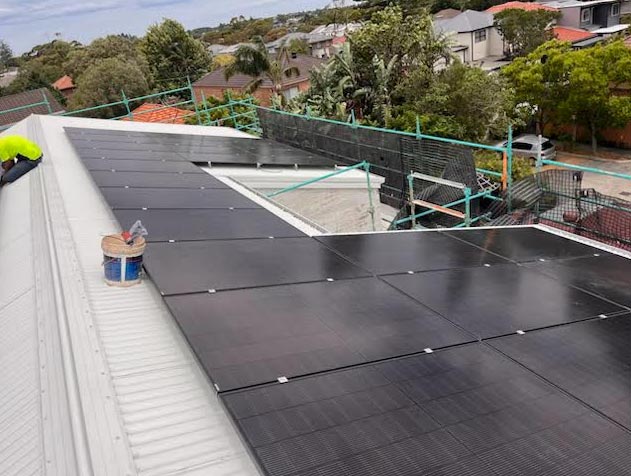
Installing solar and battery storage is a significant investment, and the best system is not necessarily the largest one. A well-designed system should be based on the property, electricity consumption and the way energy is used throughout the day.
Start With Your Electricity Usage
Before determining system size, it is important to understand how much electricity the property consumes and when that electricity is being used.
Daytime consumption, evening loads, seasonal usage and electricity tariffs can all influence the design of a solar and battery system.
Solar and Battery Capacity Should Work Together
Solar panels generate the energy, while the battery stores available excess generation for later use.
For this reason, solar capacity and battery capacity should be considered together. Installing a large battery without sufficient solar generation to charge it may not provide the expected result.
Likewise, a solar system should be designed with consideration for daytime consumption, available roof space, orientation and potential battery storage.
Every Property Is Different
System design can also be affected by:
- Available roof space and orientation
- Single-phase or three-phase electricity supply
- Existing switchboard and electrical infrastructure
- Household or business electricity consumption
- Available solar generation
- Battery location and capacity
- Future energy requirements
These factors should be assessed before determining the appropriate system configuration.
A System Designed Around Your Needs
Hybrid Solar Group provides solar and battery solutions based on the individual requirements of each property.
From the initial assessment through to system design, installation coordination and after-sales support, our focus is on providing a practical energy solution suited to the way the property uses electricity.
We service NSW and WA, including metropolitan, regional, rural and remote areas.